 Skip to main content

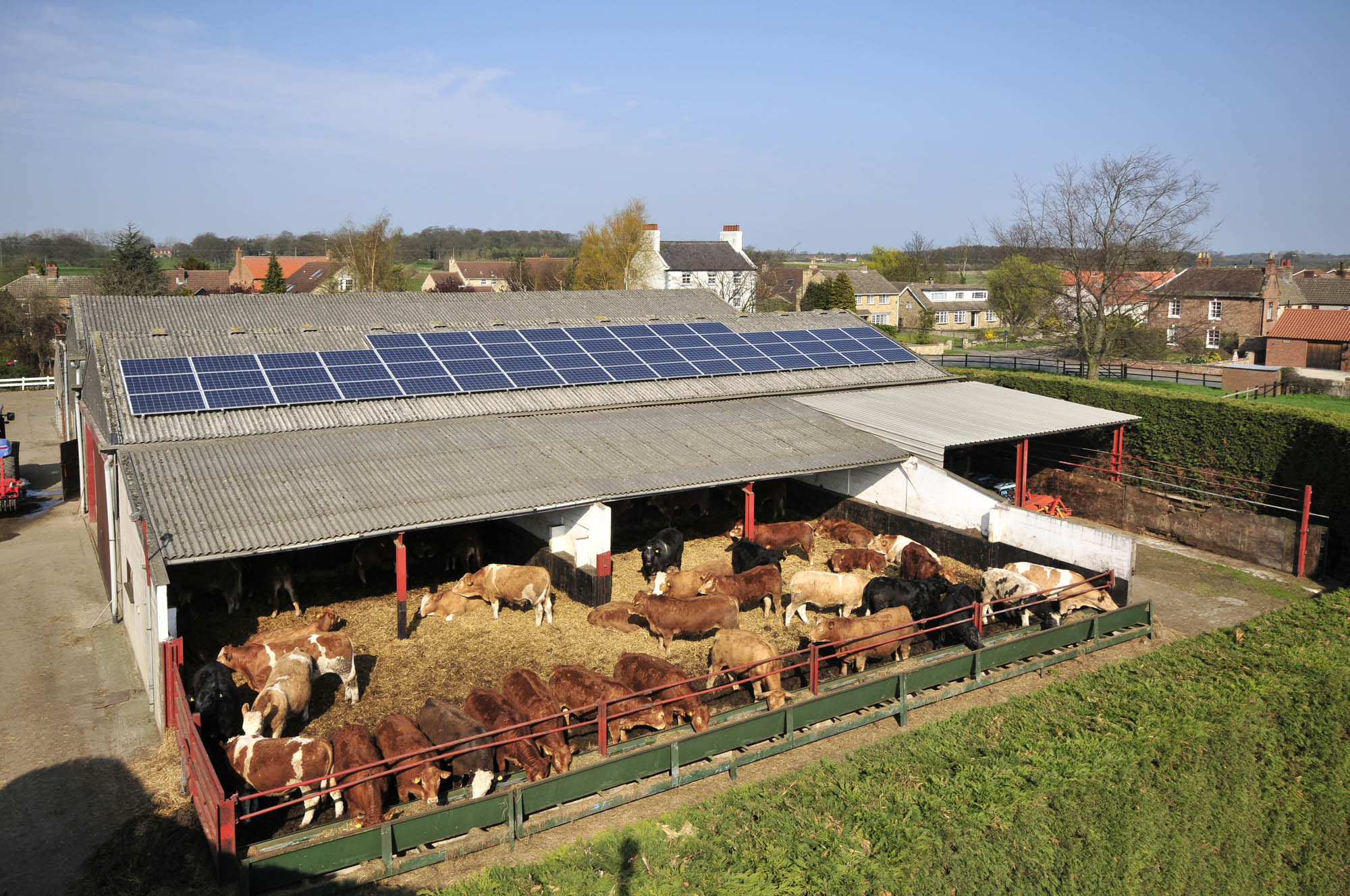
The agricultural sector in the UK is experiencing a green revolution, with an increasing emphasis on sustainable practices and renewable energy sources. Solar power, in particular, is proving to be a game-changer for farmers and agricultural businesses. By harnessing the power of the sun, farms can enjoy numerous benefits that enhance productivity, reduce costs, and contribute to environmental sustainability. Here’s why solar power is a smart investment for the UK’s agricultural sector.
1. Significant Cost Savings
Energy costs are a major expense for agricultural businesses. Solar power offers a cost-effective solution by allowing farms to generate their own electricity. By installing solar panels, farmers can significantly reduce their reliance on grid electricity, leading to substantial savings on energy bills. These savings can be particularly beneficial during peak farming seasons when energy consumption is high due to irrigation, refrigeration, and other equipment.
2. Energy Independence and Security
Solar power provides agricultural businesses with greater energy independence. By generating their own renewable energy, farms are less vulnerable to fluctuations in energy prices and supply disruptions. This energy security is crucial for operations that rely on a consistent power supply, such as dairy farms with milking machines or greenhouses with climate control systems. Additionally, solar panels paired with battery storage systems can ensure a continuous power supply even during grid outages.
3. Sustainable and Environmentally Friendly
Solar power is a clean and renewable energy source that helps reduce greenhouse gas emissions. By switching to solar energy, agricultural businesses can lower their carbon footprint and contribute to the UK’s goal of achieving net-zero emissions by 2050. This commitment to sustainability can enhance the farm’s reputation and appeal to environmentally conscious consumers and partners. Furthermore, adopting green energy practices can open up new market opportunities and access to green financing and grants.
4. Diversified Income Streams
Solar power can provide agricultural businesses with diversified income streams. Through the Smart Export Guarantee (SEG) scheme, farms can earn money by exporting surplus electricity generated by their solar panels back to the grid. This additional revenue can help offset the initial costs of installing the solar system and provide a steady income over time. Moreover, leasing land for solar farms or integrating solar panels with existing agricultural infrastructure can create further revenue opportunities.
5. Efficient Land Use
Solar panels can be installed on various structures within the farm, such as barn roofs, storage sheds, or even on unused land areas. This efficient use of space ensures that valuable agricultural land is not compromised. In fact, agrivoltaics – the practice of combining agriculture and solar power – allows for the simultaneous use of land for both farming and solar energy production. This innovative approach maximizes land use efficiency and can increase overall farm productivity.
6. Reduced Operating Costs
Beyond energy savings, solar power can help reduce other operating costs. For instance, solar-powered irrigation systems can decrease water pumping costs, and solar thermal systems can provide cost-effective heating solutions for greenhouses and livestock buildings. By lowering these operational expenses, farms can improve their overall financial health and reinvest savings into other aspects of the business.
7. Enhanced Resilience to Climate Change
Climate change poses significant challenges to agriculture, including unpredictable weather patterns and increased frequency of extreme events. Solar power can enhance the resilience of agricultural businesses by providing a reliable and sustainable energy source. For example, solar-powered irrigation systems can ensure consistent water supply during droughts, and solar panels with battery storage can maintain power supply during storms or other extreme weather events.
8. Improved Corporate Image and Marketability
Adopting solar power can significantly improve the corporate image of agricultural businesses. Demonstrating a commitment to sustainability and renewable energy can enhance the farm’s marketability and attract environmentally conscious consumers, investors, and partners. This positive image can also foster stronger relationships with retailers and distributors who are increasingly prioritizing sustainable supply chains.
Conclusion
Solar power offers a multitude of benefits for agricultural businesses in the UK. From significant cost savings and enhanced energy security to sustainable practices and diversified income streams, the advantages of solar energy are substantial. By investing in solar power, farms can not only improve their financial resilience but also contribute to a more sustainable and environmentally friendly agricultural sector. Embracing solar technology today positions UK agricultural businesses to thrive in a greener, more resilient future.


